
Alaska
EV Charging in Alaska -
Solar Power in Alaska -
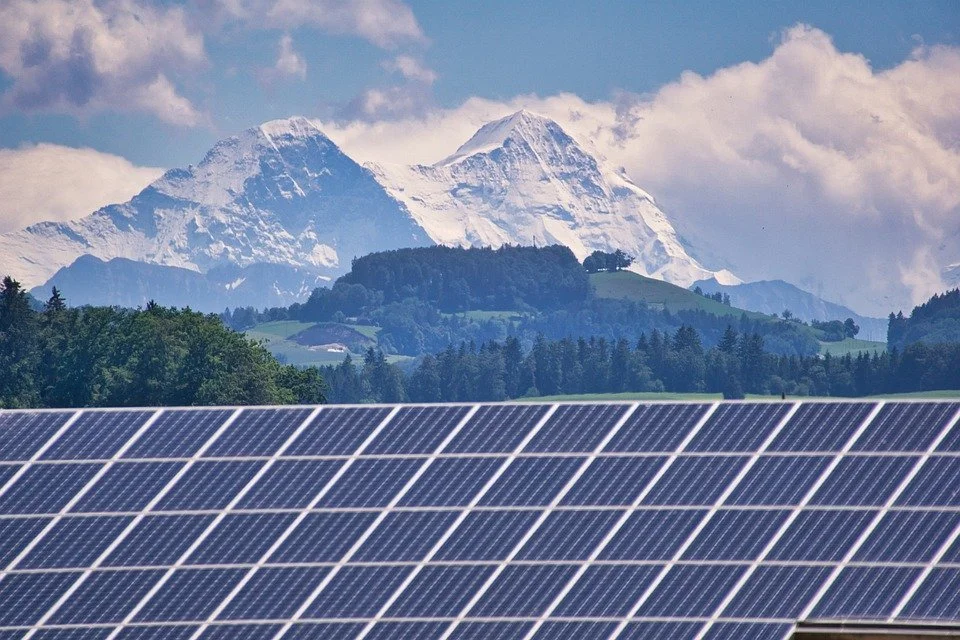
The Alaska Power and Telephone EV charger rebate isn’t available to residents, but local and tribal governments can receive up to $1000, to help cover the cost of installing a public EV charging station.
At $0.24 per kilowatt, Alaska’s average residential electrical rate is slightly higher than the rest of the country. This is primarily due to the state’s highly fragmented and spread-out power grid, which covers vast areas. Alaska’s public EV charging network is growing due to efforts from businesses, utility companies, and public agencies. For instance, the Alaska Energy Authority has used NEVI funds to install Level 2 chargers at public facilities in Anchorage. As of October 2025, Alaska has 66 public EV car charging stations including over 54 Level 2 and 22 DC Fast charging stations. There are 3 Tesla Supercharger stations and 20 Tesla Supercharger ports in Alaska.
Prices vary by network and location. For instance, the two DC Fast chargers owned and operated by the Grand Valley Electric Association in Fairbanks cost $0.24 per minute. If you charge at the Midas auto repair shop on East Steam Commons Avenue in Wasilla, you’ll have to pay $4 per hour.
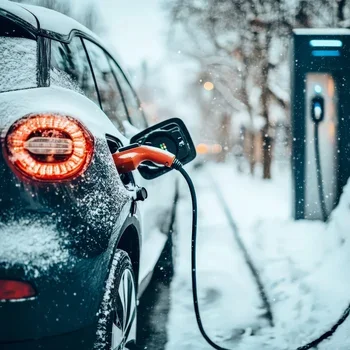
Alaska is increasingly embracing solar power, driven by community demand and state incentives like “Solar For All” program which supports community-scale and residential projects, especially in remote areas to reduce reliance on expensive diesel fuel, with supportive policies like net metering and recent legislation enabling community solar subscriptions to boost adoption despite long winters. The State’s approach balances promoting renewable energy with addressing unique logistical challenges, primarily focusing on stabilizing costs and increasing energy independence through a mix of state-backed programs and federal incentives.
Most Alaska residents pay about $18,780 to go solar, which is more than $10,000 below the national average. This is mainly due to the relatively low electrical demands in the state, as well as a cheaper price – per -watt installation cost. Alaska also has ambitious clean energy goals. The state has an outstanding and progressive Renewable Portfolio Standards goal to generate 80% of its electricity from clean energy sources by 2040.