

Kentucky
EV Charging in Kansas -
Solar Power in Kansas -
Kentucky in 2026 is actively promoting the expansion of commercial electric vehicle (EV) charging infrastructure, primarily through federal partnerships. The state is leveraging the National Electric Vehicle Infrastructure (NEVI) Formula Program, part of the Bipartisan Infrastructure Law, to fund fast-charging stations along interstates and major travel corridors. To date, Kentucky has approved funding for 48 fast-charging stations statewide, aiming to place chargers roughly every 50 miles on key routes. The program follows a public-private partnership model, requiring private developers to contribute at least 20% of project costs while designing, building, owning, and maintaining the stations. This approach allows the state to strategically expand infrastructure while minimizing direct government operating responsibilities.
At the same time, Kentucky applies regulatory measures and incentives that affect commercial EV charger deployment. High-capacity chargers (over 20 kW) are subject to a $0.03 per kWh excise tax, which station owners must collect and remit, while lower-power Level 1 and Level 2 chargers remain exempt. This tax can influence pricing and operational strategies for commercial developers. Additionally, Kentucky offers guidance and streamlined permitting for public EV infrastructure projects, signaling a regulatory environment that encourages investment while ensuring oversight and fair cost recovery. These measures indicate that the state seeks a balance between supporting growth and managing long-term sustainability.
Kentucky’s overall approach links EV charging expansion to broader economic and transportation goals. The state sees investment in EV infrastructure as a way to enhance mobility, attract automotive and battery industry growth, and improve access for both residents and interstate travelers. Programs under the Better Kentucky Plan emphasize not just highway charging, but also phased expansion into communities, workplaces, and commercial destinations. By coordinating federal funding, state incentives, and regulatory requirements, Kentucky positions itself to grow a reliable commercial EV charging network while fostering economic development and advancing transportation modernization

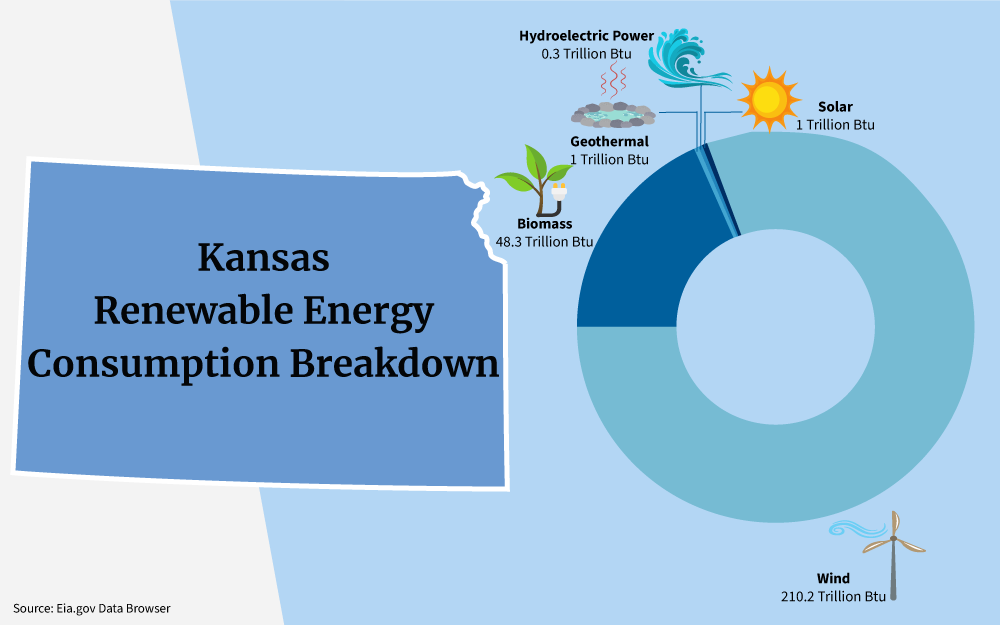
As of 2026, Kentucky’s stance on commercial solar power projects is cautiously supportive but limited by the absence of a statewide renewable energy mandate. Unlike many other states, Kentucky does not have a binding Renewable Portfolio Standard (RPS), meaning utilities are not required to source a specific percentage of their electricity from solar or other renewable sources. Despite this, state regulators, particularly the Public Service Commission (PSC), have approved several utility-scale solar projects in recent years, signaling a willingness to allow commercial solar development when it aligns with energy diversification goals.
Commercial solar in Kentucky has been growing through large-scale utility projects and private development. Examples include multi-megawatt facilities like Blue Moon Solar in Harrison County and Ashwood Solar, which have been commissioned or are planned for operation in 2026. Investor-owned utilities, such as Louisville Gas & Electric (LG&E) and Kentucky Utilities (KU), are actively soliciting proposals for renewable energy, including solar, to expand their portfolios. While the state is gradually opening up to solar, local governments sometimes push back on project siting, especially on prime farmland, which can affect project approvals and development timelines.
Incentives for commercial solar exist but are case-specific rather than universal. Kentucky offers sales and use tax exemptions on equipment and materials for qualifying renewable energy projects under the Incentives for Energy Independence Act, and federal tax credits, like the Investment Tax Credit (ITC), further improve project economics. Overall, Kentucky in 2026 presents a landscape where commercial solar development is feasible and growing, but it remains uneven, heavily influenced by utility planning, financial incentives, and local land-use regulations rather than by statewide mandates.