

Montana
EV Charging in Montana -
Solar Power in Montana -
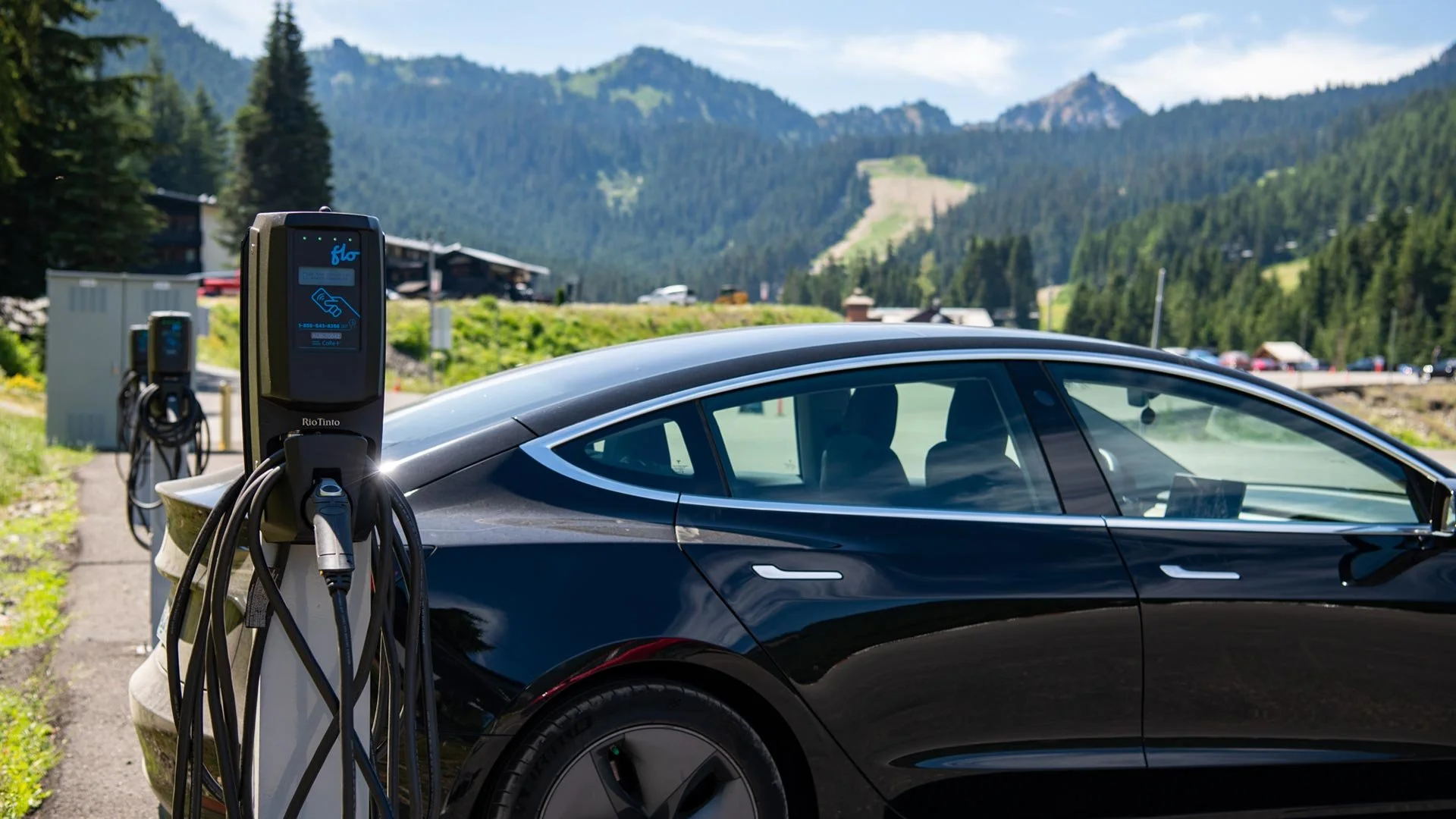
Montana’s policy environment in 2026 reflects a cautious but evolving stance toward commercial electric vehicle (EV) charging station projects. The state has enacted legislation like Senate Bill 228 that imposes a tax on electricity delivered at public charging stations — currently set at roughly three cents per kilowatt‑hour for stations above 25 kW — and requires commercial station owners to register and install dedicated meters for accurate usage reporting. These measures are intended to create a clearer regulatory and revenue framework for EV charging while addressing infrastructure needs across the state.
At the same time, Montana is actively participating in federally backed infrastructure initiatives, particularly the National Electric Vehicle Infrastructure (NEVI) Program, which is designed to strengthen the fast‑charging network along key transportation corridors.
Montana’s EV Infrastructure Deployment Plan, developed by the Department of Transportation with the Department of Environmental Quality, outlines how federal funds (expected to be about $43 million) will be used to install DC fast chargers meeting minimum standards along designated alternative fuel corridors like I‑90, I‑15, and US‑93. However, broader federal policy uncertainty — such as pauses and revisions to NEVI under the current administration — also influences how quickly and robustly these projects can progress.
Beyond state and federal coordination, local initiatives and incentives support commercial charging deployment at the community level. Cities like Missoula have pursued programs that streamline permitting and zoning for EV infrastructure and have earned recognition for EV readiness, demonstrating grassroots support for expanding charging access. On the incentives front, while Montana does not offer its own statewide rebates or credits for commercial chargers, businesses may still benefit from federal tax credits (such as the Section 30C credit for charger ports) through mid‑2026, and DEQ grant programs offer supplemental funding for projects that align with state and federal goals.
In 2026, Montana’s stance on commercial solar power projects remains cautiously evolving with significant political, regulatory, and economic contours shaping policy. The state legislature has shown bipartisan interest in expanding solar opportunities, notably through Senate Bill 188, which aimed to create a legal framework for community solar projects (arrays of 50 kW–5 MW that sell power credits to subscribers) and lower barriers for both individuals and businesses to participate in shared solar generation. That bill passed both chambers with strong support, signaling legislative recognition of solar’s potential for economic development, grid resilience, and diversified local generation.
However, the executive branch has taken a more reserved stance toward expanding commercial solar structures. In June 2025, Governor Greg Gianforte vetoed the community solar bill, citing concerns about how credits for participants would be set and the potential for increased costs to ratepayers if the Public Service Commission were given broad discretion. This veto reflects a broader caution at the state level about how to integrate and compensate distributed solar generation without shifting costs unfairly, even as utilities and renewable advocates debate the best mechanisms.
At the same time, economic incentives and federal dynamics play a major role in shaping commercial solar’s outlook in Montana. State-level programs like the Alternative Energy Revolving Loan Program continue to offer low‑interest financing for renewable energy systems, including those for businesses. But much of the broader incentive landscape derives from federal tax provisions that affect commercial solar viability; recent federal budget debates and tax policies are poised to reduce or phase out long-standing clean energy credits, creating urgency for projects to secure financing and begin construction under current rules. These external factors mean that commercial solar developers and Montana businesses are navigating not only in‑state regulatory challenges but also shifting national incentives that could materially affect project costs and timing in 2026 and beyond.