EV Charging in Indiana -
Solar Power in Indiana -
Indiana’s stance on EV charging projects in 2026 is largely shaped by its participation in the federal National Electric Vehicle Infrastructure (NEVI) Formula Program. Through INDOT’s Charging the Crossroads initiative, the state is deploying DC fast-charging stations along designated Alternative Fuel Corridors such as I-65 and I-70. Indiana is set to receive nearly $100 million in NEVI funds between 2022 and 2026, with most stations required to deliver at least 150 kW charging speeds and be spaced roughly every 50 miles, supporting reliable interstate EV travel.
Beyond highways, Indiana is also supporting community-based charging expansion. In 2025, Go Electric Vehicle Indiana (GOEVIN) awarded $3.3 million to fund 36 public charging projects, split between Level 2 chargers and DC fast chargers, with completion expected by the end of 2026. These projects are located in both urban and rural areas, including retail centers and public facilities, signaling a focus on everyday charging access rather than only long-distance travel.
Overall, Indiana’s 2026 position can be described as cautiously supportive but infrastructure-focused, emphasizing funding efficiency and federal alignment rather than aggressive EV mandates. While the state has not adopted strict EV adoption targets, its investment strategy prioritizes corridor reliability, private-sector partnerships, and gradual expansion into underserved areas. This pragmatic approach reflects Indiana’s intent to accommodate growing EV demand while maintaining flexibility as vehicle adoption and technology continue to evolve.
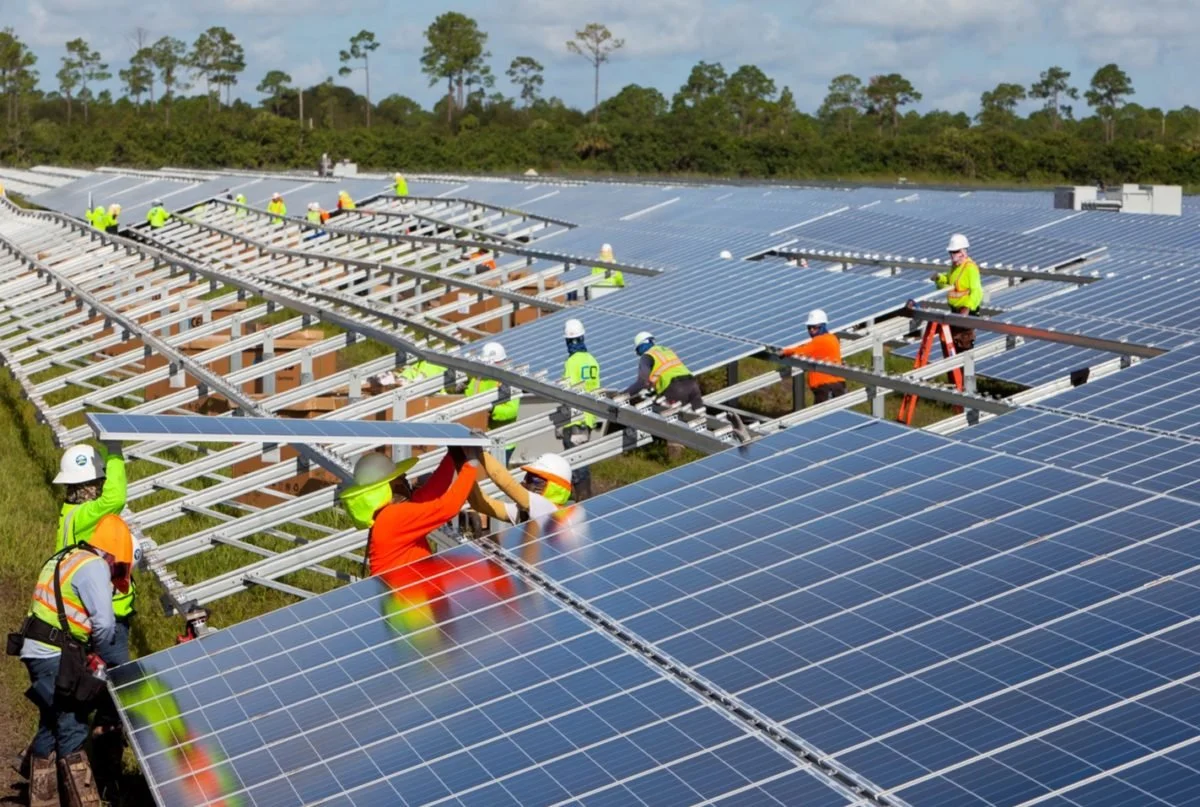
As of 2026, Indiana maintains a cautious but supportive stance on commercial solar power. The state, through the Office of Energy Development, promotes the Commercial Solar Energy Ready Communities program, which provides guidelines for siting, building, operating, and decommissioning solar projects. Communities that adopt these standards can receive certification and incentives, signaling state-level encouragement for solar while ensuring regulatory clarity.
At the local level, responses vary widely. Many counties have adopted their own zoning rules, often influenced by concerns about property values, aesthetics, or land use. Some counties, such as Vermillion and Jay, have implemented temporary moratoriums on commercial solar projects to revise ordinances, while others, like Delaware County, have paused tax incentives for new solar developments. This results in uneven support across the state.
Legislatively, Indiana continues to adjust its approach. Recent bills have aimed to give counties more flexibility in accessing state solar incentives and regulating community solar facilities. Overall, the state promotes solar development through incentives and structured programs, but local autonomy and caution create a patchwork of opportunities and restrictions for commercial solar projects.