

Alabama
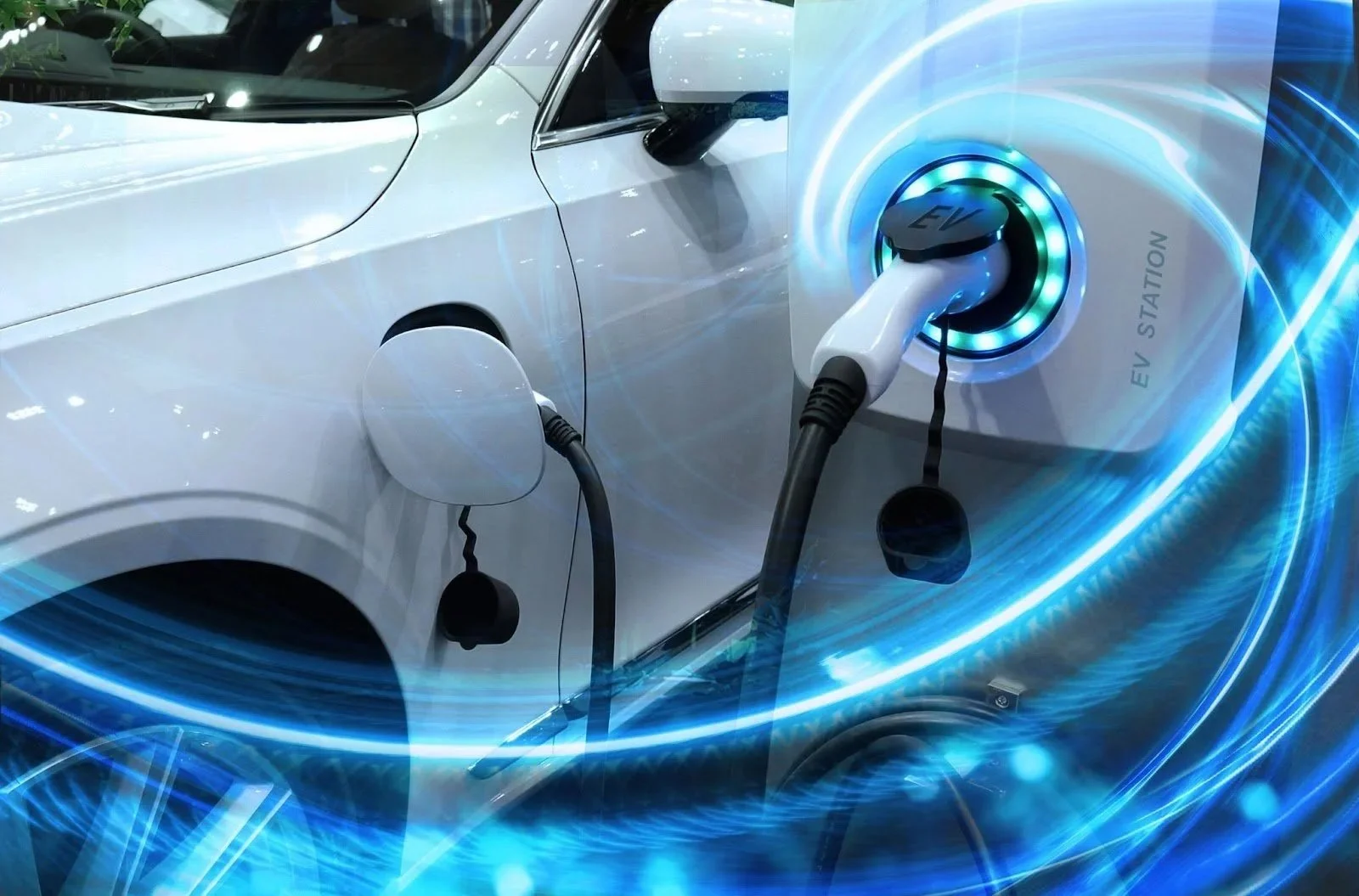
EV Charging in Alabama -
Solar Power in Alabama -
Federal Program (NEV: Alabama temporarily paused its National Electric Vehicle Infrastructure program implementation in January 2025, following a federal directive to halt spending on EV chargers, impacting federal funds for interstate corridor chargers. Even with state funded initiatives being held on pause, Alabama uses its own funds to support Ev charging (ADECA).
Alabama is working with ADECA to match costs and guide installations, while also offering its own “Make Ready” programs for business. EV owners pay annual registration fees, higher than gasoline vehicles, with an extra charge according to the Alternative Fuels Data Center. The Alabama Department of Economic and Community Affairs (ADECA) has awarded six grants totaling $2.26 million from state funds to increase the availability of electric vehicle charging stations on Alabama’s roads.
Funds for the grants were supplied through the Alabama Electric Vehicle Charging Infrastructure Program. The program is funded through appropriations supplied by the Alabama Legislature and is intended to install charging stations in areas where drivers spend time like hotels, shopping centers and tourist attractions and secondary road systems, as well as areas that might not qualify for federal funding. Alabama EV Charger Tax Credits
As of 2026, Alabama’s stance on commercial solar power projects remains measured and largely shaped by utility-level decisions rather than sweeping statewide mandates. The state does not have a renewable portfolio standard or a uniform policy requiring utilities to generate a set portion of electricity from solar, so commercial developers largely depend on negotiated agreements with major utilities and federal incentives rather than explicit state-level directives. Alabama also lacks a statewide net metering policy that would guarantee retail-rate credits for excess generation, meaning compensation and interconnection terms for commercial solar must be worked out with individual utilities like Alabama Power.
In practical terms, Alabama’s solar market has modest installed capacity relative to other states, with about 862 MW of total solar installed and ranking around 39th nationally — a figure that includes utility-scale, commercial, and residential systems and amounts to less than 1 % of the state’s electricity generation. Despite this small base, the Alabama Public Service Commission (PSC) has shown conditional support for large commercial solar builds tied to economic development and specific customer demand: for example, the PSC approved two significant solar facilities — Stockton I (80 MW) and Stockton II (180 MW) — to supply clean power to a large Meta data center project under power purchase agreements with Alabama Power.
Beyond individual project approvals, financial drivers for commercial solar in Alabama still rely heavily on federal incentives like the Investment Tax Credit (ITC) rather than state tax credits or rebates, and the structure of utility tariffs — such as avoided-cost buyback rates or capacity fees — influences project economics more than state policy goals. While the regulatory environment shows incremental movement toward enabling larger solar investments, it continues to be pragmatic and project-specific rather than aggressively pro-solar, with broader adoption challenges tied to compensation mechanisms, lack of statewide incentives, and historically limited policy support.