
New Mexico
EV Charging in New Mexico -
Solar Power in New Mexico -
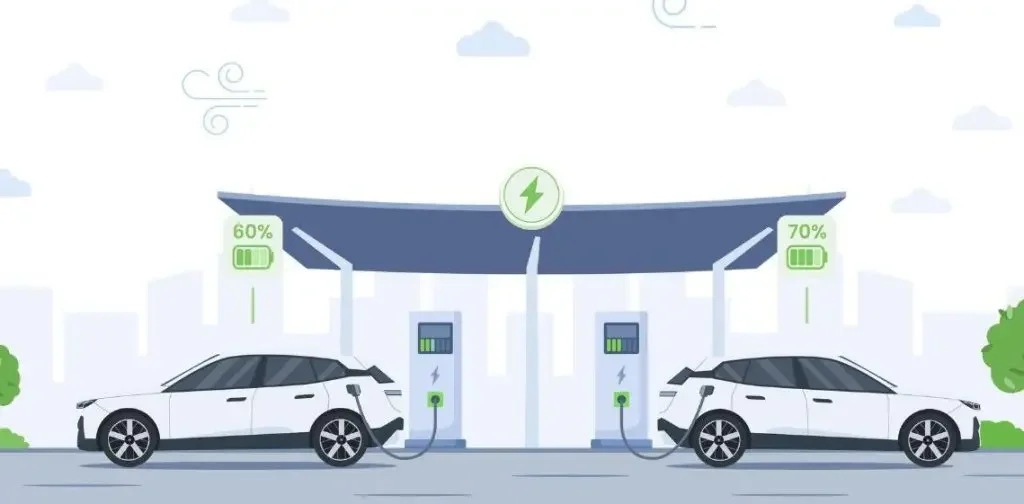
New Mexico’s stance on EV charging stations in 2026 is strongly supportive and proactive, treating charging infrastructure as essential to transportation, economic development, and climate goals. The state aligns closely with federal initiatives, prioritizing the build-out of fast-charging stations along major highways and in rural communities to reduce range anxiety and support statewide EV adoption. This approach reflects New Mexico’s broader commitment to clean transportation and reducing greenhouse-gas emissions.
On the policy and incentive side, New Mexico actively encourages private and public investment in EV charging. State tax credits, utility-run rebate programs, and federally backed grants help offset the cost of installing Level 2 and DC fast chargers for homeowners, businesses, and local governments. These incentives are designed not just to grow the number of chargers, but also to promote equitable access, including in multi-family housing, workplaces, and underserved areas.
Regulatory, the state has moved to remove barriers rather than create them. Recent laws and rule changes make EV charging stations a permitted or streamlined use in zoning and land-use codes, while updated building and energy codes support “EV-ready” construction. Combined with zero-emission vehicle sales requirements, New Mexico’s 2026 stance is clear: expand charging access quickly, reduce red tape, and make EV ownership practical across the entire state—not just in major cities.
New Mexico has positioned itself as a proactive state on commercial solar power projects as part of its broader clean-energy strategy. The state’s Energy Transition Act (ETA) sets ambitious renewable energy targets — requiring utilities to derive at least 50 % of their electricity from renewable sources by 2030 and aiming for 100 % zero-carbon electricity by 2045 for investor-owned utilities and by 2050 for co-ops — which creates a strong policy foundation for utility-scale solar development alongside other renewables. These statutory goals help drive market certainty for commercial solar developers planning projects across New Mexico, aligning industry growth with long-term decarbonization goals.
Alongside overarching clean energy mandates, community solar programs have become a key focus of solar policy in the state. New Mexico’s Community Solar Act (SB 84) — first enacted in 2021 — authorizes solar facilities that allow utility customers to subscribe to solar production without having to install panels on their own property, and the Public Regulation Commission (PRC) has been actively expanding this program’s capacity, raising the statewide cap from initial levels up to 500 MW to enable more commercial and shared solar projects. The New Mexico State Land Office has also been leasing state trust lands to solar developers for both community and commercial projects, reflecting the state’s commitment to using public land productively for renewable energy generation.
Economic incentives and state-level support further bolster the commercial solar landscape. While some older incentives, like the Renewable Energy Production Tax Credit, are winding down, others — such as the Solar Market Development Tax Credit — continue to provide financial support through at least 2031 for qualifying installations, including commercial systems. Additionally, New Mexico has established grant funds (such as the Local Solar Access Fund) to support solar and storage projects for local governments, tribal entities, and low-income communities, broadening the economic opportunity for solar deployment beyond traditional utility-scale developers. These combined policies indicate that in 2026, New Mexico remains actively supportive of commercial solar power projects as part of its transition to a cleaner, more diversified energy economy.