Florida
EV Charging in Florida -
Solar Power in Florida -
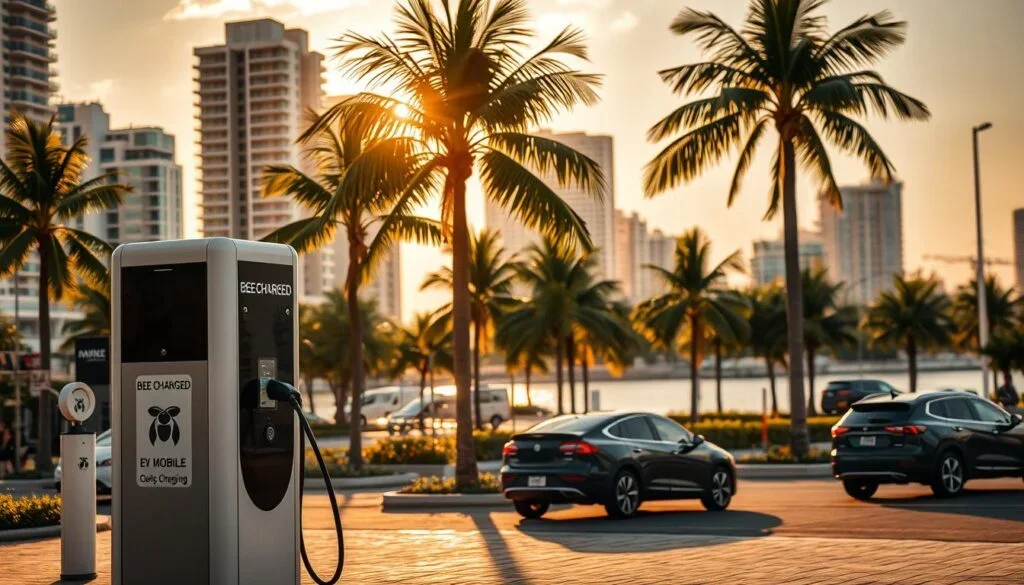
Florida’s approach to electric vehicle (EV) charging infrastructure in 2026 is shaped largely by federal funding and state-level regulatory decisions. The state is set to receive an estimated $198 million from the National Electric Vehicle Infrastructure (NEVI) Formula Program over five years, aimed at creating a reliable network of chargers along designated alternative fuel corridors, with stations spaced roughly every 50 miles and meeting minimum fast-charging requirements. This funding allows for the acquisition, installation, and maintenance of EV charging stations, provided Florida’s deployment plans comply with federal guidelines. Public data indicate that the state already has over 13,700 EV charging ports, showing a growing foundation of infrastructure that federal funds are intended to expand.
Local and regional projects demonstrate Florida’s targeted deployment of EV infrastructure. Cities like Gainesville have secured $11.65 million to develop 47 new charging sites, while Jacksonville received $2.8 million for approximately 100 chargers through federal competitive grants. These projects highlight Florida’s emphasis on urban and underserved areas, leveraging federal awards to fill infrastructure gaps and support EV adoption. Data from the U.S. Department of Energy confirms steady growth in public charging availability statewide, indicating both public and private investment in EV infrastructure continues to rise.
At the same time, Florida’s regulatory stance introduces unique challenges. A 2024 state law centralized EV charging regulation under the Florida Department of Agriculture and Consumer Services, prohibiting local governments from imposing their own regulations. While this removes some local barriers, it limits city-level initiatives. In addition, some state proposals in late 2025 suggested redirecting certain federal mitigation funds away from EV projects toward other alternative fuels, showing internal debate over funding priorities. Coupled with a temporary review of the federal NEVI program in 2025, these factors create a cautious but forward-moving environment for EV charging station expansion in Florida.
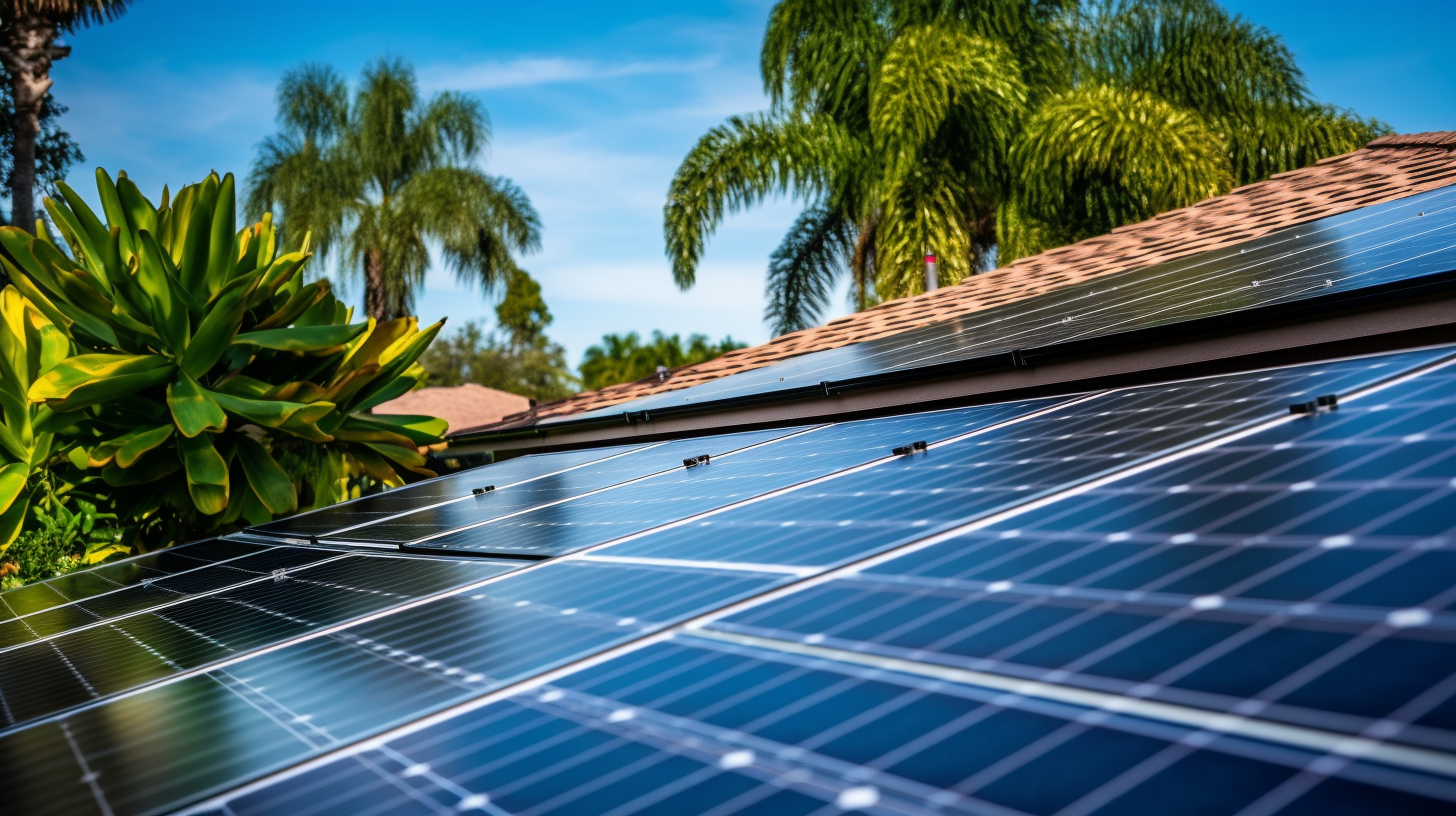
Florida maintains a pro-growth stance on commercial solar power in 2026, supported by state policy that explicitly encourages solar development. Florida Statutes declare it state policy to “promote, stimulate, develop, and advance the growth of the solar energy industry”, emphasizing economic benefits, job creation, and energy security. Regulatory frameworks have been updated to streamline permitting and interconnection processes, making it easier for businesses to develop solar projects. Utilities and municipalities, including Florida Power & Light, continue to expand solar capacity aggressively, reflecting the state’s strategic commitment to renewable energy.
The commercial solar market in Florida has experienced rapid expansion in recent years. As of 2026, the state’s commercial solar capacity stands at approximately 8,500 MW, a more than 300% increase since 2020, representing about 35% of total solar capacity. This growth is driven by both economic viability and policy incentives, including federal and state tax credits. The federal Investment Tax Credit (ITC) remains at 30% for eligible commercial projects, while Florida provides property and sales tax exemptions for solar equipment and favorable net metering policies, all of which significantly improve project economics and adoption rates.
Despite strong support, Florida’s commercial solar landscape faces emerging policy uncertainties. Proposed legislation concerning land use for solar farms, decommissioning standards, and evolving federal content rules could affect project planning and development timelines. Nevertheless, Florida remains one of the fastest-growing solar markets in the Southeast, with combined utility-scale and commercial solar capacity projected to more than double by 2030. Overall, the state’s stance in 2026 is clearly supportive, balancing economic incentives, statutory promotion, and grid modernization while navigating evolving regulatory considerations.