

Oregon
EV Charging in Oregon -
Solar in Oregon -
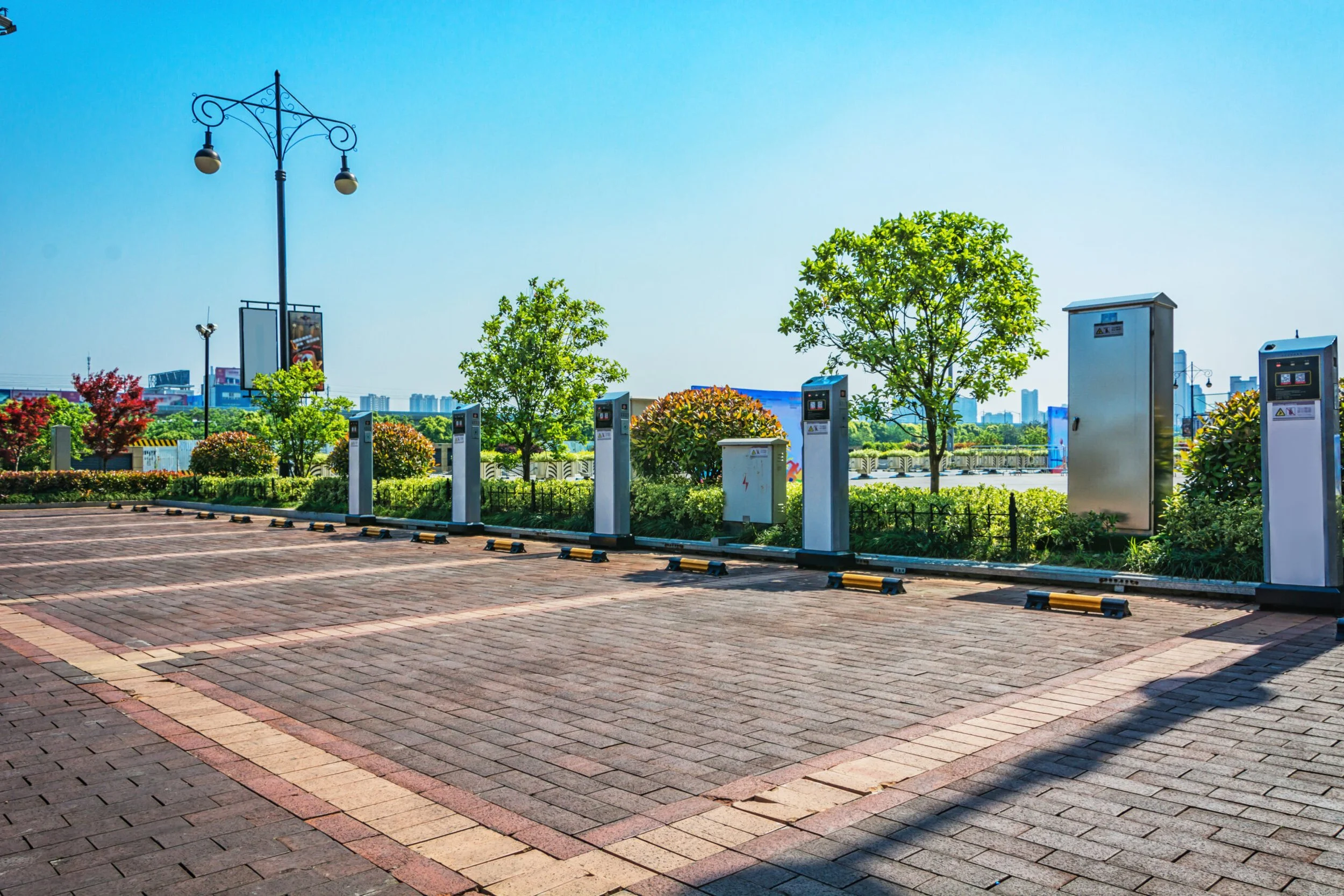
Oregon is actively building out EV charging infrastructure, especially commercial fast-charging stations. Under the National Electric Vehicle Infrastructure (NEVI) program, Oregon is allocated about $52 million in federal funds through 2026 to install DC fast chargers along major highways like I-84, U.S. 20, U.S. 26, U.S. 101, and U.S. 97. In its Round 2 funding solicitation, ODOT plans to support about 40 new fast-charging stations with awards expected by March 2026, and several Round 1 sites on I-205 and I-5 south of Eugene are slated to open in early 2026. Private companies will build and operate these stations under state oversight to meet federal standards.
Beyond highway chargers, Oregon provides state-level incentives for commercial and community charging projects. The Community Charging Rebates Program administered by the Oregon Department of Transportation offers rebates for Level 2 charging installations at workplaces, multifamily housing, and public parking areas. Round 4 opened in November 2025 with $3 million in federal funding, and previous rounds have reserved most funding for rural and underserved communities. Eligible applicants include businesses, nonprofits, tribes, and EV service providers, helping lower upfront costs for commercial station deployment.
Policy context reflects coordinated federal–state support to accelerate deployment. Oregon’s strategy aligns NEVI federal funding with state rebate programs and local infrastructure grants to expand access to EV charging, reduce gaps in charging deserts, and support equitable deployment. This approach leverages federal formulas and state incentives to encourage commercial investment while focusing on both long-distance travel corridors and community charging needs throughout the state in 2026.
Oregon remains supportive of commercial and utility-scale solar in 2026, driven largely by climate targets and federal incentives. The state is aiming for 100% clean electricity by 2040, and solar is a central part of that plan. In 2024, Oregon had roughly 2.5–2.7 GW of installed solar capacity, with several hundred additional megawatts in late-stage development, particularly in eastern and central Oregon where land availability and solar irradiance are higher. State agencies have been directed to accelerate permitting so projects can begin construction in time to qualify for federal Investment and Production Tax Credits, which begin phasing down after 2026.
At the same time, Oregon is tightening land-use and siting rules, especially for large commercial solar farms. Beginning in 2026, the size threshold for projects overseen by the Oregon Energy Facility Siting Council increases from 320 acres to 1,920 acres, shifting many projects to county-level approval. This gives local governments more influence and reflects growing concerns about farmland conversion and community impacts. To offset this, the state has implemented an agricultural mitigation program, requiring developers to fund soil protection or farmland preservation when projects are built on high-value agricultural land.
Financially, Oregon relies more on federal and utility-based incentives than state tax credits. There is no dedicated state commercial solar tax credit, but businesses can still claim the federal ITC (up to 30% if requirements are met) and access utility incentives through programs like the Energy Trust of Oregon. Commercial net metering is allowed for systems up to 2 MW, helping offset operating costs. Overall, Oregon’s 2026 stance balances rapid solar deployment with stricter local oversight, making the state favorable—but more selective—for large commercial solar development.