Kansas
Ev Charging in Kansas -
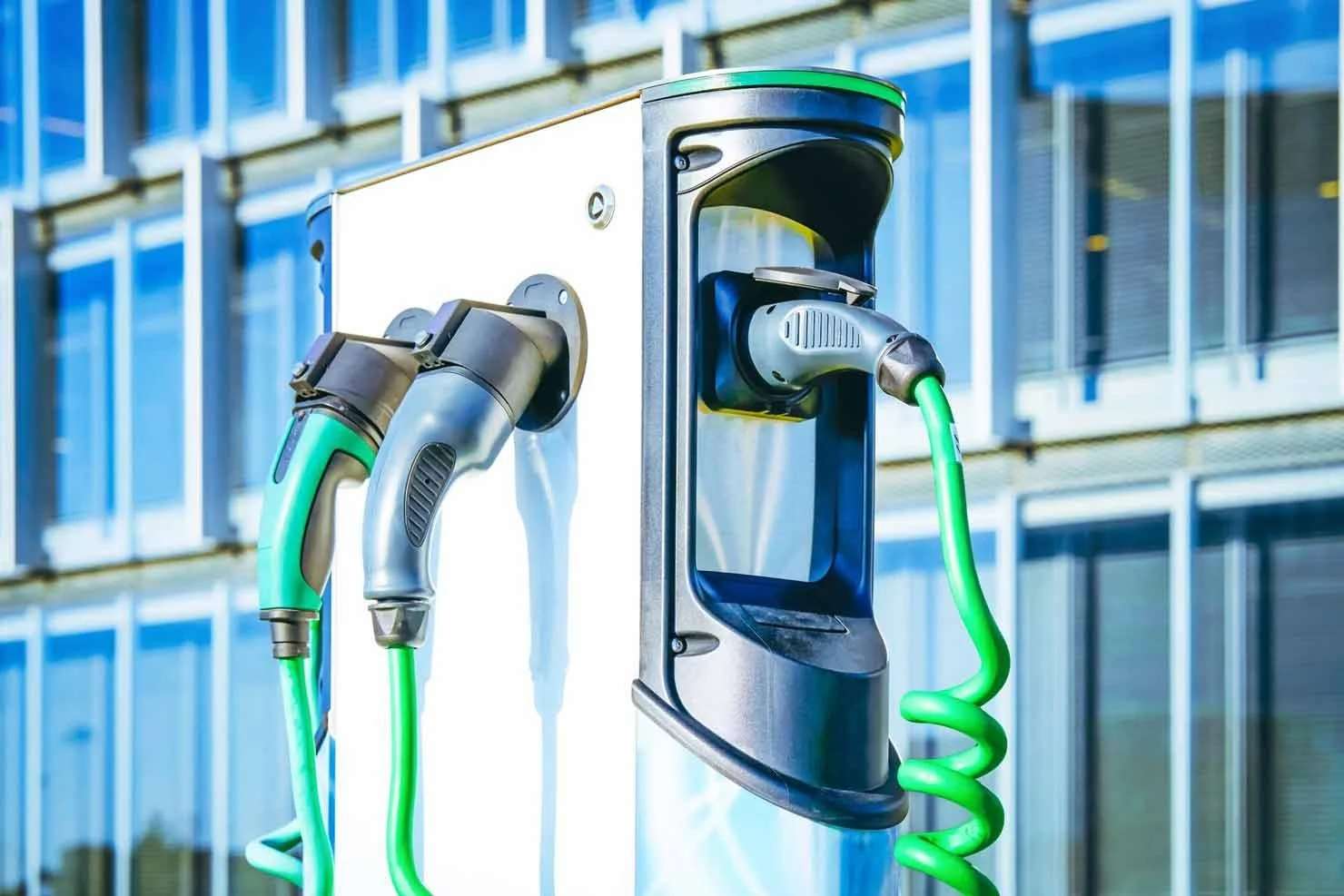
Kansas in 2026 maintains a generally supportive stance toward commercial electric vehicle (EV) charging station projects, largely driven by the state’s implementation of the federal National Electric Vehicle Infrastructure (NEVI) program, branded locally as “Charge Up Kansas.” Through this program, Kansas receives federal funding to expand public EV charging along designated highways and corridors, prioritizing DC fast chargers. The state encourages private companies, utilities, municipalities, and non-profits to participate in building and operating these stations, provided they meet federal requirements and often contribute a portion of matching funds. This framework allows commercial developers to leverage federal dollars while helping the state meet its EV infrastructure goals.
In addition to NEVI, Kansas supports commercial EV charging through utility incentive programs. For example, utilities like Evergy offer rebates for Level 2 and DC fast chargers installed at workplaces, fleet sites, and public locations. These programs reduce upfront investment costs for commercial operators and encourage wider adoption of EV charging infrastructure across the state. By combining federal funding with utility incentives, Kansas creates a more financially viable environment for private businesses to invest in charging networks.
Despite this support, there are some regulatory and legislative uncertainties. Proposed bills have explored taxing electricity at public charging stations or adjusting utility cost-recovery structures, which could affect operating costs for commercial chargers if enacted. While Kansas continues to foster EV infrastructure development, commercial developers must remain attentive to legislative changes that could influence profitability or operational requirements. Overall, the state’s stance is clearly facilitative, offering funding and incentives while leaving commercial operators responsible for navigating potential future policy adjustments.
Solar Power in Kansas -
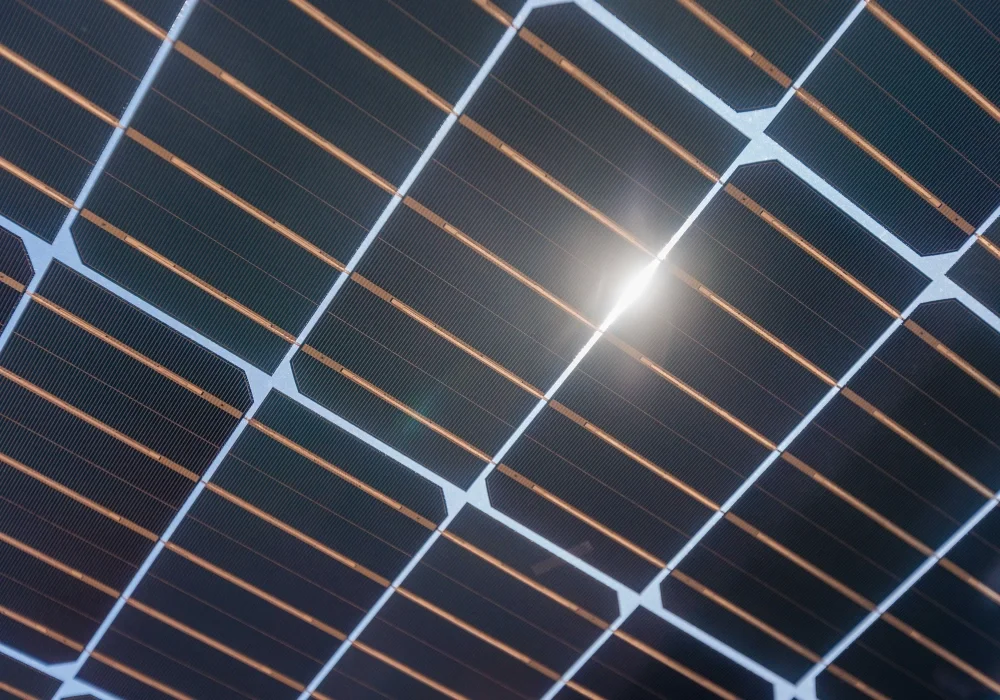
As of 2026, Kansas’s stance on commercial solar power projects reflects a mixture of continued support through existing policies and emerging regulatory scrutiny at the state and local levels. The state continues to allow utilities and customers to install and interconnect solar systems, and net metering remains available to commercial generators under defined capacity limits, with rules adjusted in recent years to clarify export and interconnection requirements for systems starting operation in 2026. Kansas also retains a voluntary Renewable Energy Standard that includes solar among eligible resources, though it is not a mandatory quota.
At the legislative level, several bills in the 2025–2026 session indicate a shift toward more oversight of utility-scale solar development rather than broad expansion. For example, Senate Bill 173 would require county commissioners to approve leases or easements for commercial solar and wind generation before they take effect, adding a layer of local control to project development. Another measure, Senate Bill 233, seeks to establish decommissioning requirements for commercial solar and wind facilities, including agreements and financial assurances with counties prior to construction. Another bill in consideration, House Bill 2108, aims to create agricultural mitigation protocols and codes of conduct for large energy facilities in rural areas, signaling an interest in regulating siting and impacts.
Overall, in 2026 Kansas’s stance toward commercial solar is pragmatic but cautious: the framework continues to allow and support solar generation and interconnection, but policymakers are increasingly focused on local approval processes, decommissioning standards, and rural land impacts. This balanced approach reflects both ongoing interest in renewable energy growth and a desire to address community and regulatory concerns.