

Illinois
EV Charging in Illinois -
Solar Power in Illinois -
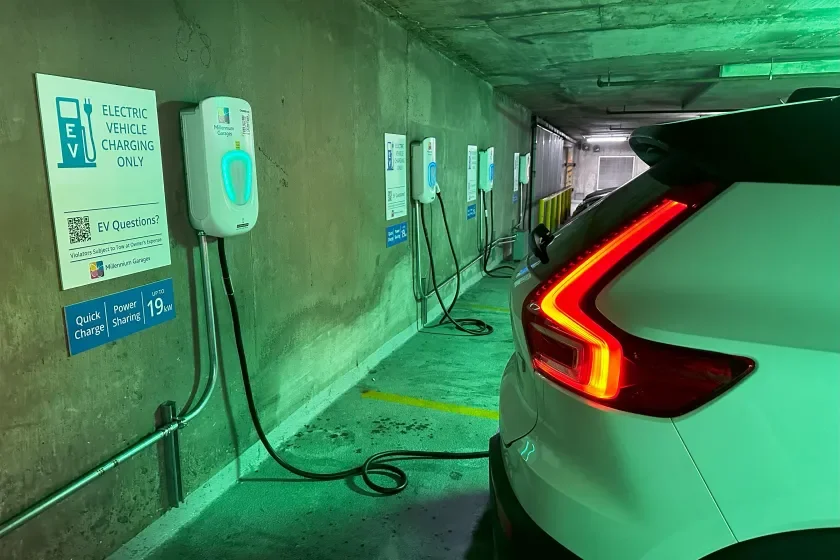
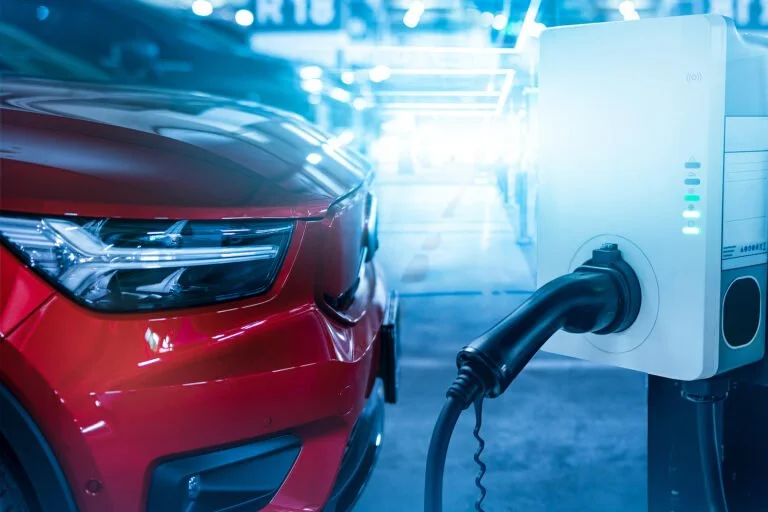
Illinois in 2026 remains strongly supportive of electric vehicle (EV) charging infrastructure expansion, aligning state policy with both federal programs and its own climate and transportation goals. The Illinois Department of Transportation (IDOT) actively implements the National Electric Vehicle Infrastructure (NEVI) program, part of the federal Bipartisan Infrastructure Law, to build a reliable charging network. Under this plan, EV charging stations—especially Direct Current Fast Chargers (DCFC)—must be spaced no more than 50 miles apart along designated Alternative Fuel Corridors (major interstates and highways) and meet robust performance standards including 24/7 access and high uptime. The state’s most recent EV Infrastructure Deployment Plan was approved in September 2025, and Illinois continues to conduct competitive grant rounds to allocate NEVI funds, with Round 3 offering up to $65 million for new light-, medium- and heavy-duty stations statewide.
Complementing the federal program, Illinois has leveraged multiple state-level funding initiatives and grants to accelerate local charging projects. For example, the Illinois EPA’s Driving a Cleaner Illinois program awarded $25.1 million toward 643 new fast-charging ports at 141 locations under the Climate and Equitable Jobs Act, with additional points awarded to projects in equity investment communities, signaling a policy priority on equitable access. The state also continues to award competitive NEVI grants—such as the $18.4 million second-round allocations for 25 fast charger sites with 167 new ports—helping meet its goal of registering 1 million EVs by 2030. Beyond these, the Illinois Finance Authority (IFA), acting as the Illinois Climate Bank, is directing nearly $15 million from federal Charging and Fueling Infrastructure (CFI) discretionary grants to community charging stations, illustrating how state agencies coordinate multiple funding streams to build out the network.
State leadership has framed these efforts not only as transportation strategy but as part of broader climate and economic objectives. Governor JB Pritzker’s administration has stressed that expanding EV charging is essential to reducing air pollution, modernizing infrastructure, and supporting clean energy adoption, with plans tied to both the 2030 EV adoption target and a longer-term 100 % clean energy goal by 2050. Additional federal cooperation remains crucial; Illinois’s ability to deploy NEVI funds was supported by legal actions to ensure the release of previously withheld federal grants, reflecting how state policy is intertwined with national energy infrastructure debates.
Illinois maintains policy frameworks and incentive programs to actively support commercial solar development. The Illinois Power Agency (IPA) continues to implement and refine long‑term renewable energy procurement plans, including solar capacity targets and Renewable Energy Credit (REC) incentive structures under programs like Illinois Shines and Illinois Solar for All. These state programs enable commercial developers and businesses to generate revenue from the sale of RECs, providing predictable credit payments over many years that help improve project economics and drive market growth. The IPA has filed its 2026 Long‑Term Renewable Resources Procurement Plan, which outlines proposed REC procurement quantities and pricing for the upcoming program years — signaling continued procurement support for solar energy in Illinois’s resource mix.
Federal policy changes in 2025–2026 are reshaping the economics of commercial solar in Illinois. Under the federal H.R. 1 legislation, significant adjustments were made to clean energy tax credits, including the Investment Tax Credit (ITC) that commercial projects often rely on for financing. Projects beginning construction on or after January 1, 2026, face new eligibility requirements, and all federal clean energy tax credits are scheduled to expire after 2027. These tighter timelines and eligibility rules increase the urgency for commercial developers to meet construction and in‑service deadlines to qualify for top federal incentives, which remain a key financial driver for many commercial solar investments.
Despite federal uncertainty, Illinois’s policy environment stays strongly pro‑solar with ongoing state incentives and procurement planning. The IPA’s Long‑Term Plan process includes stakeholder engagement and targets for allocating REC capacity to utility‑scale and community solar, providing a long‑range signal of demand for solar generation. In practice, developers are still advancing sizable solar projects across the state — from utility‑scale farms like the 800 MW Double Black Diamond to smaller commercial and community installations incorporating battery storage — illustrating both market interest and policy support at the state level. Illinois’s incentive programs — coupled with net metering and utility rebate structures — continue to make solar projects financially viable for commercial entities, even as broader grid and capacity planning evolve under state energy laws.