
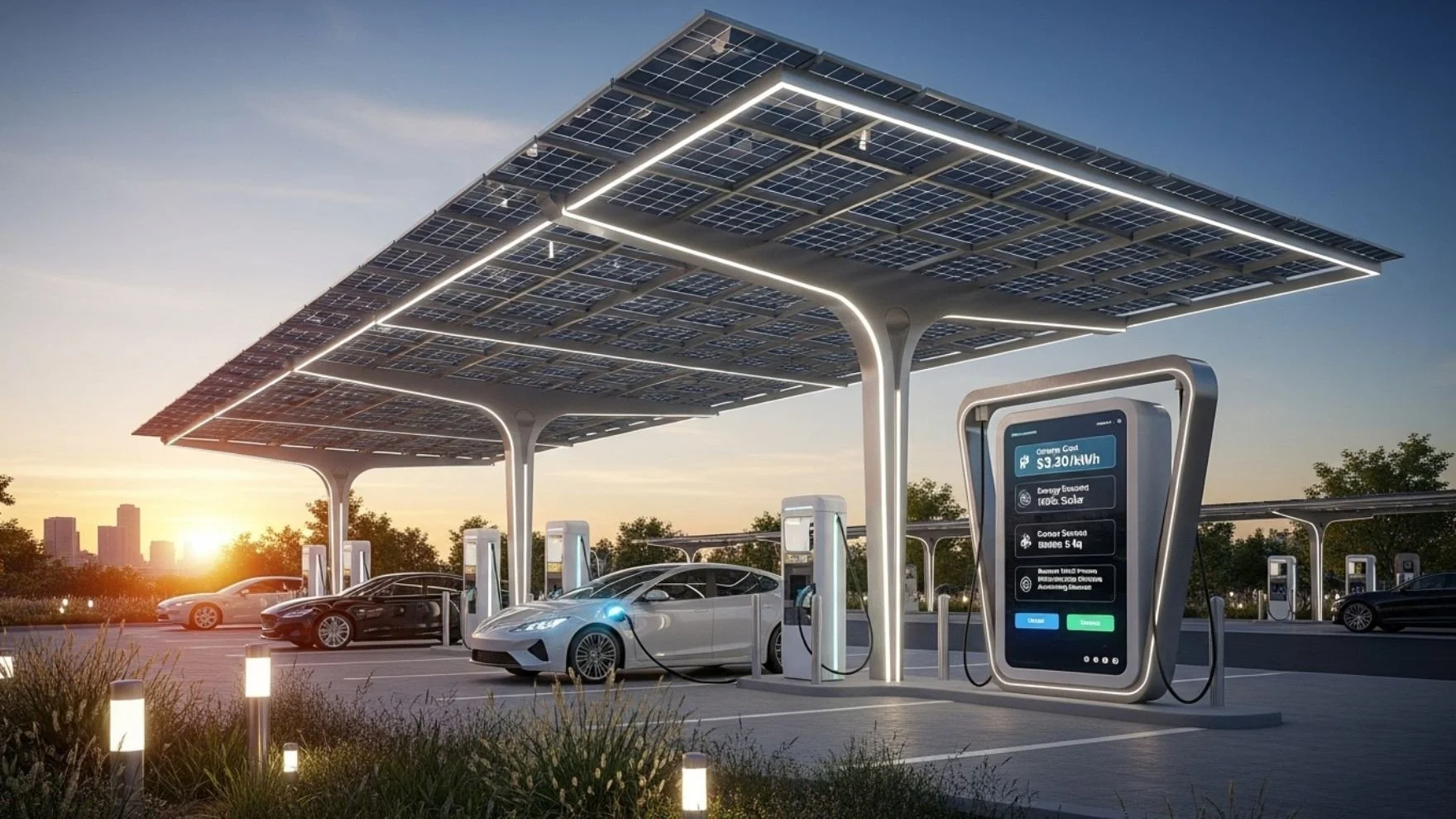
Driving Change. Charging Tomorrow.
"Innovation fuels the transition to renewable energy. By integrating fast, efficient EV charging solutions with renewable sources, we can empower communities, reduce emissions, and accelerate the adoption of clean technologies worldwide."
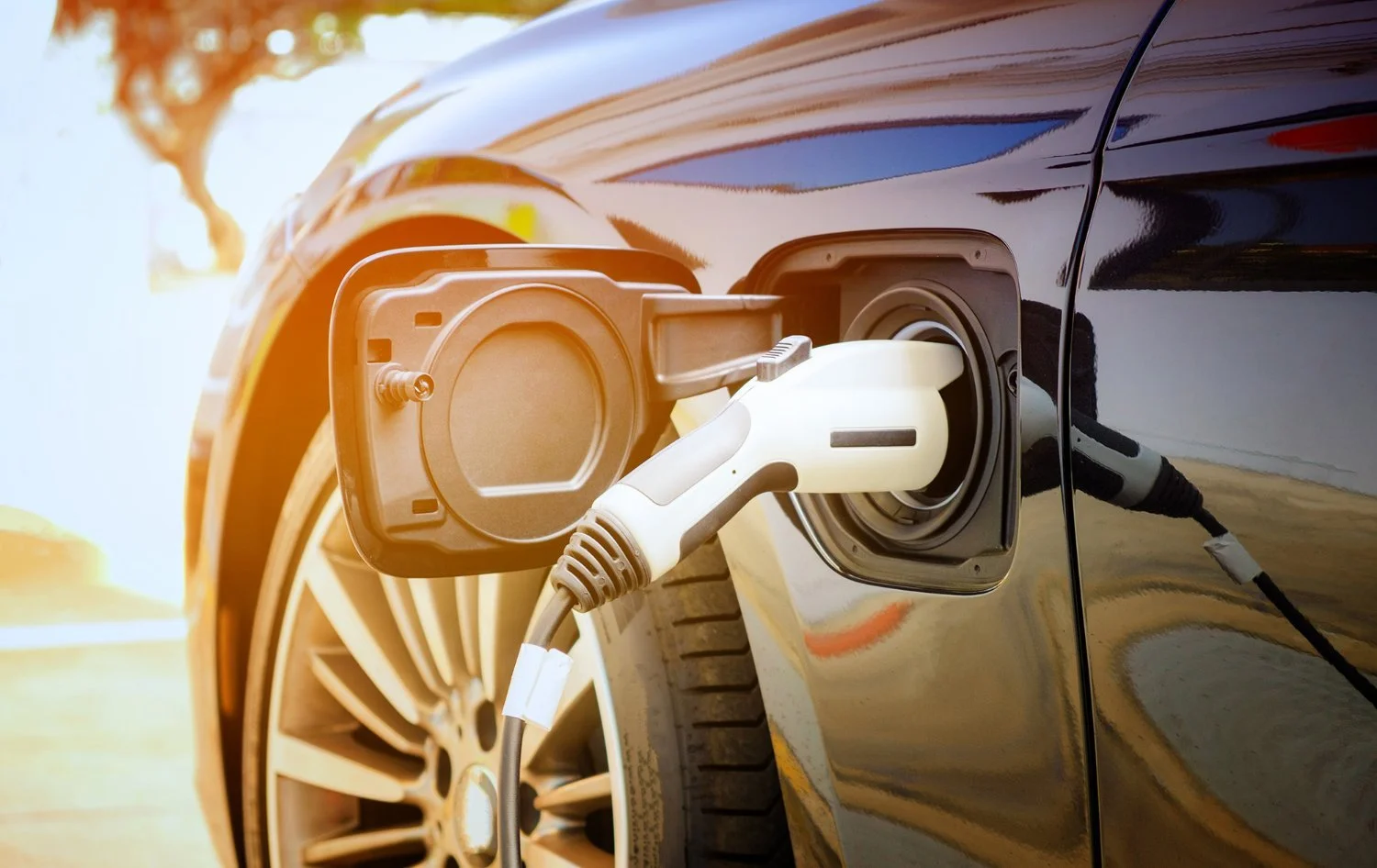
Big Ideas,
Real Impact. Our Mission Is To Reduce The Stress Of Road Travel While Improving Accessibility And Affordability.
The nationwide development of electric vehicle (EV) charging stations in 2026 is a critical technical and infrastructural requirement for the large-scale electrification of the transportation sector. As EV market penetration increases, charging infrastructure must expand in both density and capability to meet rising demand and to ensure system reliability. A well-distributed network of Level 2 and DC fast-charging stations is essential to reduce range anxiety, support long-distance travel, and maintain acceptable vehicle utilization rates. From a systems perspective, charging availability directly influences EV adoption curves, fleet electrification feasibility, and total cost of ownership calculations for consumers and commercial operators. Without sufficient public and corridor-based charging, the transition to electric mobility risks stagnation despite advances in battery technology and vehicle efficiency.
From an energy and environmental standpoint, nationwide EV charging infrastructure plays a key role in reducing transportation-related greenhouse gas emissions and urban air pollutants. Transportation remains one of the largest contributors to CO₂ and NOₓ emissions, and electrification—when paired with an increasingly renewable electricity mix—offers substantial lifecycle emission reductions. Technically planned charging networks enable load balancing, smart charging, and vehicle-to-grid (V2G) integration, allowing EVs to function as distributed energy resources rather than purely electrical loads. In 2026, grid-integrated charging systems can support demand response strategies, reduce peak load stress, and improve overall grid resilience when coordinated with utilities and energy management platforms.
Economically, the expansion of EV charging infrastructure requires significant capital investment in power electronics, grid upgrades, transformers, substations, and communication systems. However, these investments stimulate economic growth by creating skilled jobs in electrical engineering, construction, software development, operations, and maintenance. The development of interoperable charging standards, payment systems, and network management software also drives innovation within the clean-technology ecosystem. Furthermore, a reliable charging network reduces operational uncertainty for logistics companies, public transit agencies, and commercial fleets, accelerating the electrification of buses, delivery vehicles, and long-haul freight, which have disproportionately high fuel consumption and emissions.
Equity and accessibility are also technical planning priorities in the nationwide rollout of EV charging stations. In 2026, a significant portion of the population lacks access to private home charging, particularly in multi-unit dwellings and dense urban environments. Public charging infrastructure, when strategically sited and supported by adequate power capacity, ensures equitable access to electric mobility. From a planning and policy standpoint, integrating charging deployment with transportation modeling, land-use planning, and grid forecasting is essential to avoid infrastructure bottlenecks and regional disparities. Overall, the nationwide development of EV charging stations in 2026 is not merely a convenience upgrade but a foundational component of modern transportation systems, energy infrastructure modernization, and long-term climate and economic strategy.